

Marina Alexeeva
Looking at you
![Marina Alexeeva, Looking at you, video mapping [03:00, loop], 2026](https://static.wixstatic.com/media/59c8b9_2eebea8bf7944777b166ec575573cba6~mv2.jpg/v1/fill/w_980,h_551,al_c,q_85,usm_0.66_1.00_0.01,enc_auto/59c8b9_2eebea8bf7944777b166ec575573cba6~mv2.jpg)

AES+F
Digital Safari: Fables of the Jungle


Video Screening Program:
What’s in a Story?
Сurated by Barbara London
Special Events Auditorium
17.10.2026, 15:00
I emerged as a young curator based in a bankrupt Manhattan during the pre-internet days of counterculture activity. Since that moment in the early 1970s, a lot has changed but a lot hasn’t. The world moves at a faster pace, now as multifarious news flashes across the screens of handheld electronic gadgets at nearly the same moment that events unfold globally. Onscreen a plethora of alluring voices calls out and enticingly grabs users’ attention for a second. Given the current surfeit of information readily at hand, who stops and considers the source of a particular news bite, how the information arrived, or even what constitutes truth? In fact, what makes someone stop and pause for a moment is the idiosyncratic statement that intrinsically asks, what is reliable knowledge? This necessitates new forms of thinking in a communication society, where narrative seems to matter more than facts.
Today what bears weight is artwork with both a sense of immediacy and a storyline.
What’s in a Story? features eleven short media artworks produced by artists from different generations and different geographies, all made with contemporary tools—from camera to computer software. Each artist questions underlying biases, and explores the indeterminate distance between lived experience and ensuing narrative. And for each, home is a choice, something mutable for a range of personal reasons. It is the creator’s imagination that brings identity and agency together to encourage change. In different ways, the participating artists engage directly with the viewer and hold our attention with a sense of urgency discovered in their scenario. The short works are arranged thematically.
Sky Hopinka
Mnemonics of Shape and Reason

Eva Papamargariti
Mutants, Crawlers, and Shapeshifters

Tamar Zohara Ettun
IVF Document

Andro Eradze
Flowering and Fading

Jane Bustin
From a Mezzanine Window

Maitha Abdalla
If… To Be Born

Shi Zheng
Tearing in Time #11

Wendi Yan
Visions of Phosphine Earth

Carla Gannis
Cathexis Core

Video Screening Program:
Generation and Extinction: The State of Japanese Moving Image Art Today
Сurated by Sung Nam Han
Special Events Auditorium
18.10.2026, 12:00
Duration: 60
As light from screens and sounds from speakers flicker into being and fade before our eyes, we weave them together in our minds like threads, recognizing and processing what we see as moving images.
While distinct in approach and theme, these six short video works simultaneously delineate the “now” and the “future” of a world labeled the “Anthropocene” as it carries on, proposing "something" to the viewer. Life and death within living beings constitute the only absolute truth, and moving images structurally embody it.
Perhaps video art exists alongside humanity as a symbolic artifact, together with the still unsettled definition of the word “Anthropocene,” serving as a form of intersubjective knowledge. Verifying the premises of this shared understanding, video artists embed possibilities for an “alternate” world into their work, presenting us with their final scenes.
ABITA@KAC, a performance record by nakice in Kyoto, traces a path where objects and bodies blend equally within the space, as a harmonious chaos moves toward a de-chaotized realm born from chaos itself.
Shota SHIMURA's Mobile Literature: London Calling is a series belonging to "Mobile Literature" — a practice where texts written about specific cities are projected onto the local ground while cycling. It transforms urban graffiti into a more fleeting, ephemeral occurrence, establishing a physical performance as a video artwork.
(Virtual) Clip Channel is a project by animation artist and scriptwriter Numata, with clips of (Virtual) VTubers uploaded onto video sharing sites.These clips paint both gentle and powerful pictures of yearning, imagination and humour towards worlds that may yet exist, and worlds that may have once been. This animated series seeks a new era with new fiction and ways of storytelling.
Kazuki NAGATA's "Bed-town AI" explores the physical infrastructure supporting AI and the changing suburban landscape, taking the planned construction of a large-scale data center in Hino City, Tokyo—where the artist grew up—as its starting point. Intertwining the artist's own labor experience at a logistics warehouse, 3DCG simulations of data centers, and live-action footage, it addresses us as an ongoing, evolving video artwork presenting a new suburban scene.
Sung Nam HAN's "La Joconde and Sunflowers in the sea" forms part of a grand social experiment using the ocean as its venue, an endeavor HAN has pursued since the COVID-19 pandemic. It captures how artworks, existing as hybrid entities on the threshold between the artificial and the natural, adapt and evolve over time.
Keiji AIUCHI's "Fluxes" is a one-of-a-kind work that visually expresses an eerie, squirming presence through simple techniques. It has won awards and been screened at numerous film festivals.
18.10.2026 12:00 Վիդեոծրագիր․ Ստեղծում և վերացում. ճապոնական վիդեոարվեստի արդի պատկերը Համադրող՝ Սունգ Նամ Հան Հատուկ միջոցառումների սրահ Տևողությունը՝ 60 րոպե Երբ էկրանների լույսն ու բարձրախոսների հնչյունները մեր աչքի առջև ակնթարթորեն հայտնվում ու մարում են, մենք մեր մտքում դրանք թելերի պես հյուսում ենք միմյանց՝ տեսածն ընկալելով որպես շարժապատկեր։ Թեև այս վեց կարճամետրաժ վիդեոգործերն իրենց թեմաներով ու մոտեցումներով տարբեր են, դրանք միաժամանակ ուրվագծում են «Անտրոպոցեն» կոչվող աշխարհի ներկան ու ապագան՝ դիտողին մղելով խորհրդածության։ Կենդանի էակների համար կյանքն ու մահը միակ բացարձակ ճշմարտությունն են, իսկ շարժապատկերն իր կառուցվածքով հենց այդ իրողության մարմնավորումն է։ Վիդեո-արվեստը կարծես մարդկության կողքին գոյություն ունեցող մշակութային մի վկայություն լինի, որն «Անտրոպոցեն» հասկացության դեռևս չհաստատված սահմանման հետ մեկտեղ օգնում է մեզ աշխարհն ընկալել հավաքական փորձառության միջոցով։ Վիդեո-արտիստները, քննելով այս ընդհանուր ընկալման հիմքերը, իրենց գործերում պատկերում են «այլընտրանքային» աշխարհի հնարավորություններն ու ցույց տալիս դրանց վերջնական տեսարանները։ Nakice-ի՝ Կիոտոյում իրականացված ABITA@KAC պերֆորմանսի տեսագրությունը ցույց է տալիս մի ընթացք, որտեղ մարմիններն ու առարկաները տարածության մեջ հավասարապես ձուլվում են իրար, իսկ ներդաշնակ քաոսն աստիճանաբար վերածվում է հենց քաոսից ծնված «կարգավորված» մի տիրույթի։ Շոտա Շիմուրայի «Շարժական գրականություն․ Լոնդոնը կանչում է» աշխատանքը պատկանում է «Շարժական գրականություն» նախագծին։ Սա մի փորձառություն է, որի ընթացքում հեծանիվ վարելիս կոնկրետ քաղաքների մասին գրված տեքստերը պրոյեկտվում են տեղի փողոցների ու գետնի վրա։ Այս մոտեցումը քաղաքային գրաֆիտին վերածում է ավելի անցողիկ ու ակնթարթային երևույթի՝ ֆիզիկական կատարումն արտացոլելով տեսաարվեստի ձևաչափում։ «(Virtual) Clip Channel»-ը անիմացիոն նկարիչ և սցենարիստ Նումատայի նախագիծն է, որի շրջանակում վիդեոհարթակներում հրապարակվում են վիրտուալ յութուբերների (VTubers) մասին կարճ հոլովակներ։ Այս տեսանյութերը թե՛ նուրբ, թե՛ ազդեցիկ պատկերներով արտահայտում են տենչանք, երևակայություն ու հումոր՝ ուղղված այն աշխարհներին, որոնք դեռ կարող են ստեղծվել, կամ այն աշխարհներին, որոնք գուցե մի ժամանակ գոյություն են ունեցել։ Այս անիմացիոն շարքը նպատակ ունի սկզբնավորել նոր դարաշրջան՝ պատմությունն ու երևակայական աշխարհները ներկայացնելով նորովի։ Կազուկի Նագատայի «Արվարձանային արհեստական բանականություն» աշխատանքն ուսումնասիրում է ԱԲ-ն ապահովող ֆիզիկական ենթակառուցվածքներն ու արվարձանային լանդշաֆտի փոփոխությունները։ Նախագծի ելակետը Տոկիոյի Հինո քաղաքում՝ նկարչի ծննդավայրում, խոշոր տվյալների կենտրոնի պլանավորվող կառուցումն է։ Համադրելով լոգիստիկ պահեստում սեփական աշխատանքային փորձառությունը, տվյալների կենտրոնների 3D համակարգչային մոդելավորումն ու իրական տեսանկարահանված կադրերը՝ այն ներկայանում է որպես անընդհատ զարգացող, կենդանի տեսաարվեստի գործ՝ պատկերելով արվարձանային նոր իրականությունը։ Սունգ Նամ Հանի «Ջոկոնդան և արևածաղիկները ծովում» աշխատանքը համավարակից ի վեր հեղինակի իրականացրած մեծածավալ սոցիալական փորձարկման մի մասն է, որտեղ որպես հարթակ է ծառայում օվկիանոսը: Նախագիծը ցույց է տալիս, թե ինչպես են արվեստի գործերը՝ որպես արհեստականի և բնականի սահմանագծում գտնվող հիբրիդային մարմիններ, ժամանակի ընթացքում հարմարվում ու ձևափոխվում։ Կեյջի Այուչիի «Հոսքեր» աշխատանքը բացառիկ է իր տեսակով․ պարզագույն հնարքների միջոցով հեղինակը տեսանելի է դարձնում առեղծվածային ու տարօրինակ կերպով շարժվող մի ներկայություն։ Այն արժանացել է բազմաթիվ մրցանակների և ցուցադրվել մի շարք կինոփառատոններում։
(Virtual) Clip Channel
Cherry Blossom as Save Point

Keiji Aiuchi
Fluxes

Sung Nam Han
La Joconde and Sunflowers in the sea

Kazuki Nagata
"Bed-town AI”
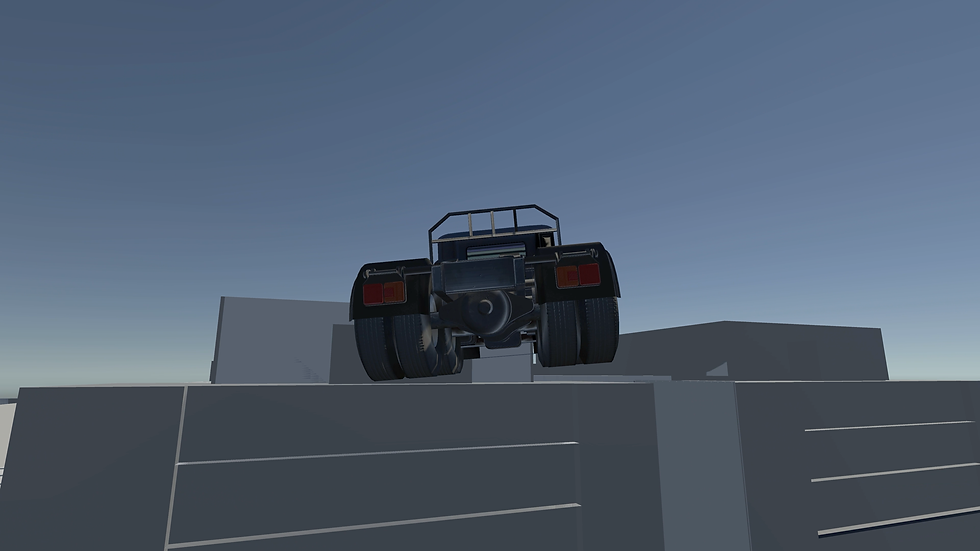
Shota Shimura
Mobile Literature: London Calling

nakice
ABITA@KAC

Video Screening Program:
Reimagine the Landscape
Сurated by Victoria Ilyushkina
Special Events Auditorium
31.10.2026, 19:00
Reimagine the Landscape approaches landscape not as a fixed backdrop, but as an active and constantly changing field shaped by natural processes, human memory, and computational systems. Geological time, digital technologies, personal experience, and artificial perception intersect across the works in the program. Here, the digital is neither separate from nature nor simply a tool for representing it. It becomes another way of sensing, recording, and transforming the environment—revealing its fragility, preserving traces of what is disappearing, and proposing new ways of understanding our place within it.
Grigor Khachatryan
Sayat Nova, City TV series


Grigor Khachatryan
Beatlemania, City TV series


Studio Above&Below (Daria Jelonek & Perry-James Sugden)
Critical Landscapes – Series One


Anabela Costa
Wind


Sayler / Morris
The Amazon is Elsewhere

Sid Iandovka & Leslie Thornton
Twin of Earth

Garush Melkonyan
Ubi sunt


Video Screening Program:
Data Traces
Сurated by Victoria Ilyushkina
Special Events Auditorium
21.11.2026 19:00
Data Traces brings together works in which information drawn from bodies, ecosystems, weather, and technological environments becomes part of the artistic process itself. Data is not treated as a neutral description of reality, but as an active material capable of reshaping how landscapes, bodies, and systems are perceived. Across the program, distinctions between the organic and the computational, physical places and digital representations, natural evolution and technological intervention become increasingly unstable. Landscape emerges as a living document: continuously recorded, processed, and rewritten.
Arnaud Laffond
Breathing


Guli Silberstein
Materialive
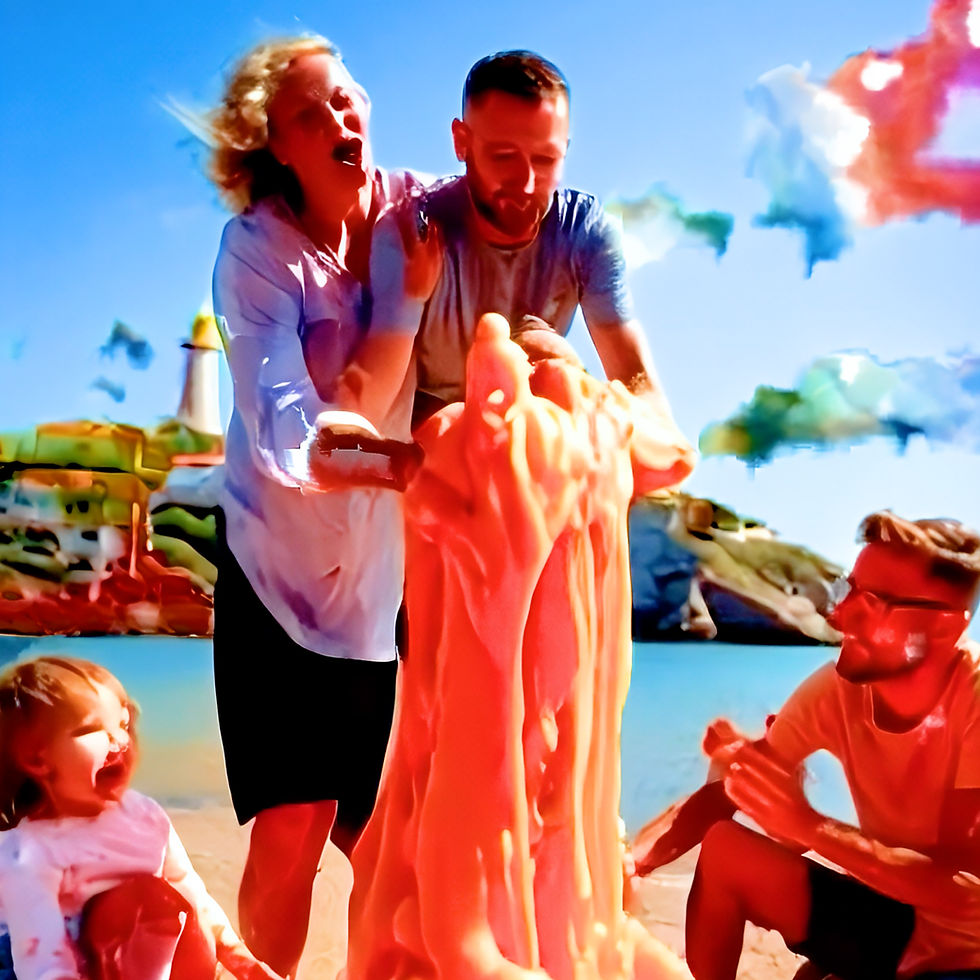


Liudmila Belova
Diary of Observations


Jean-Michel Rolland
Affordance


Hong Chen
The Command of Origin


Citron | Lunardi
Kingdom Plantae


Anton Khlabov
Distortion of Signal


Mark Cypher
Dis_place


Sami Keskikallio
Bordering


Tonoptik
Latent Space


Jaanika Peerna
All That Is Kelp Melts Into Ice


Video Screening Program:
Land of Memories
Сurated by Victoria Ilyushkina
Special Events Auditorium
19.12.2026 19:00
Land of Memories turns from external landscapes toward inner and imagined ones. Animation becomes a way of mapping memory, psychological transition, altered states of perception, and possible futures. Across the program, fixed realities dissolve: documentary experience meets speculation, human perception encounters non-human perspectives, and personal memory becomes inseparable from constructed and imagined worlds.
Together, the works suggest that in a world shaped by ecological crisis and an overwhelming circulation of information, reality can no longer be understood as stable or singular. Organic life, physical environments, memory, and computational systems remain in constant transformation.
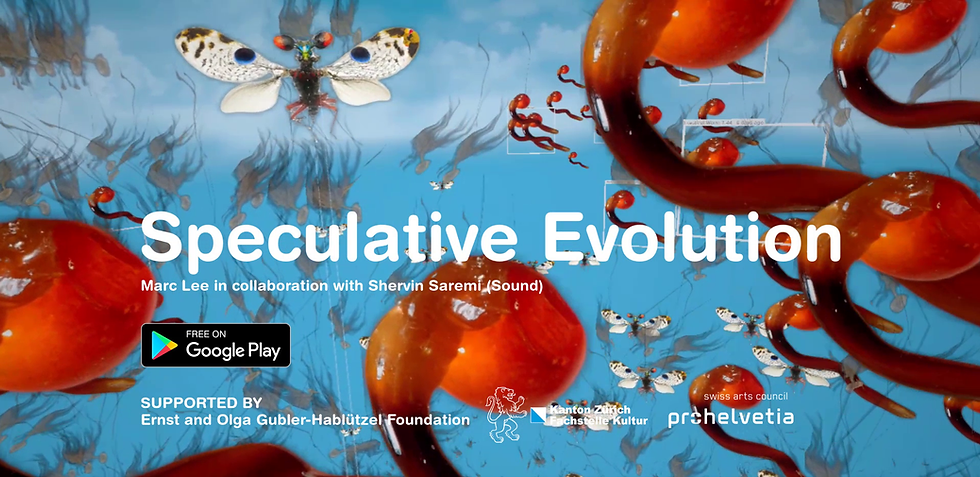
Marc Lee
Hi, AI Agents! Create New Chimeras Based on Scientific Publications such as Genetics and Robotics

Lin Yen-Ju
(林晏竹) / 0


Edward Kulemin
Swarm


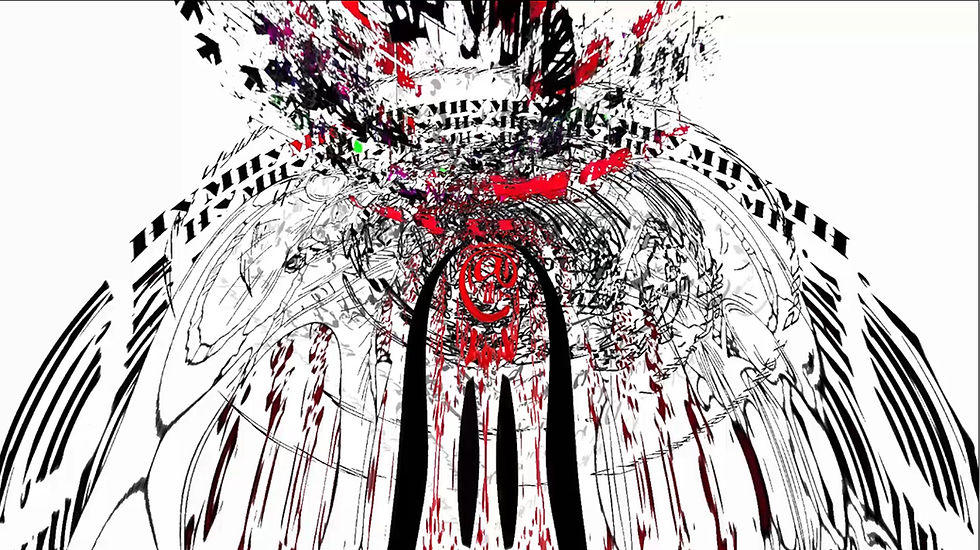

Sid Iandovka
(e)scape goat

Ellen Pearlman
Brenda


Ani Chopuryan
The Weight of Becoming


Yanina Chernykh
The Nivkhs


Diana Kapizova
There, over the Rainbow, We will Hide in the Shadow


Arman Ayvazyan
Dragonfly


